Published on Friday, November 27, 2026
What happens when students are encouraged to step outside their comfort zones, explore new ways of expressing themselves, and discover what they're capable of?
Sometimes, the most powerful stories are told without saying a word.
A movement. A gesture. A pause. The space between two performers. Each can communicate something that words alone cannot.
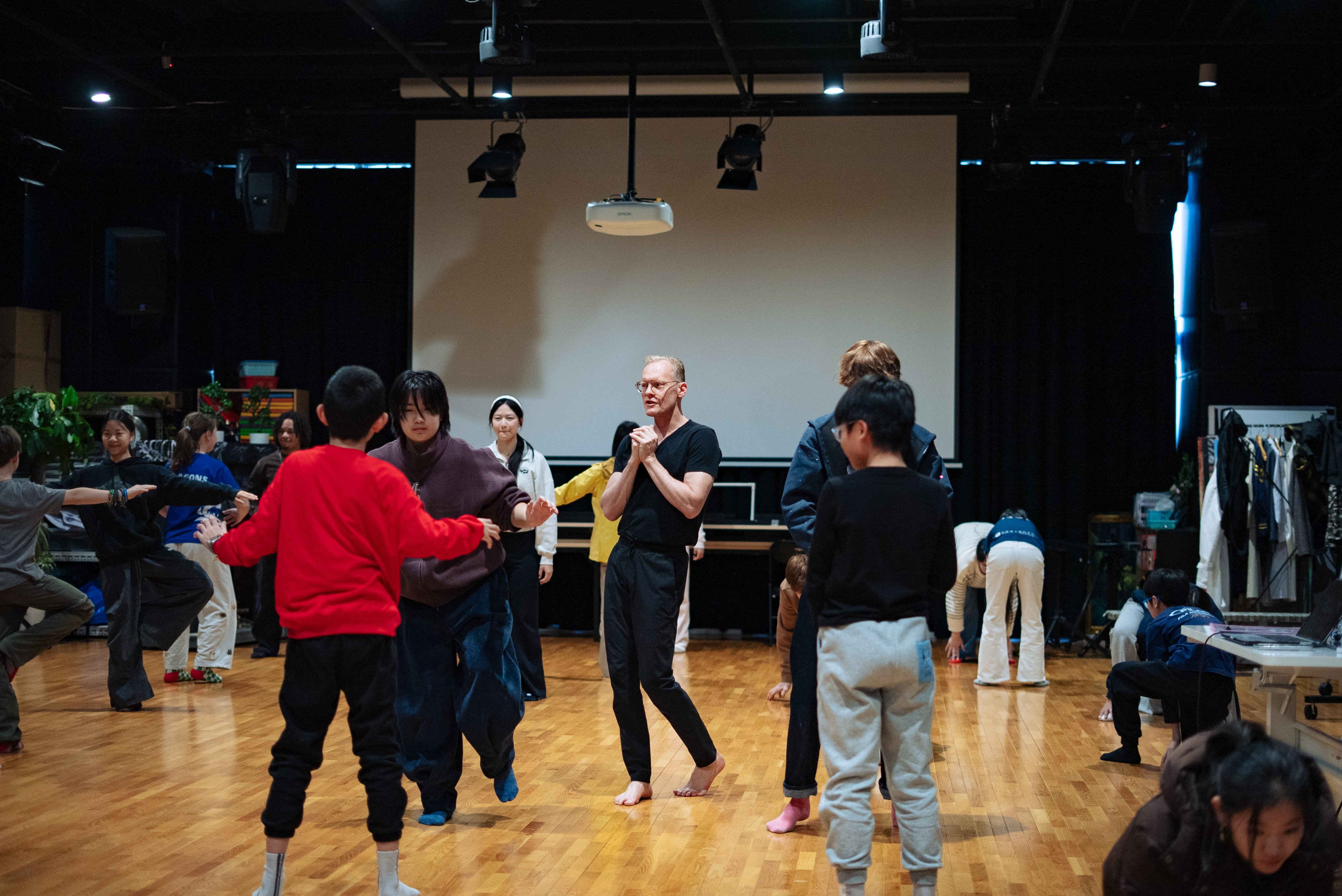
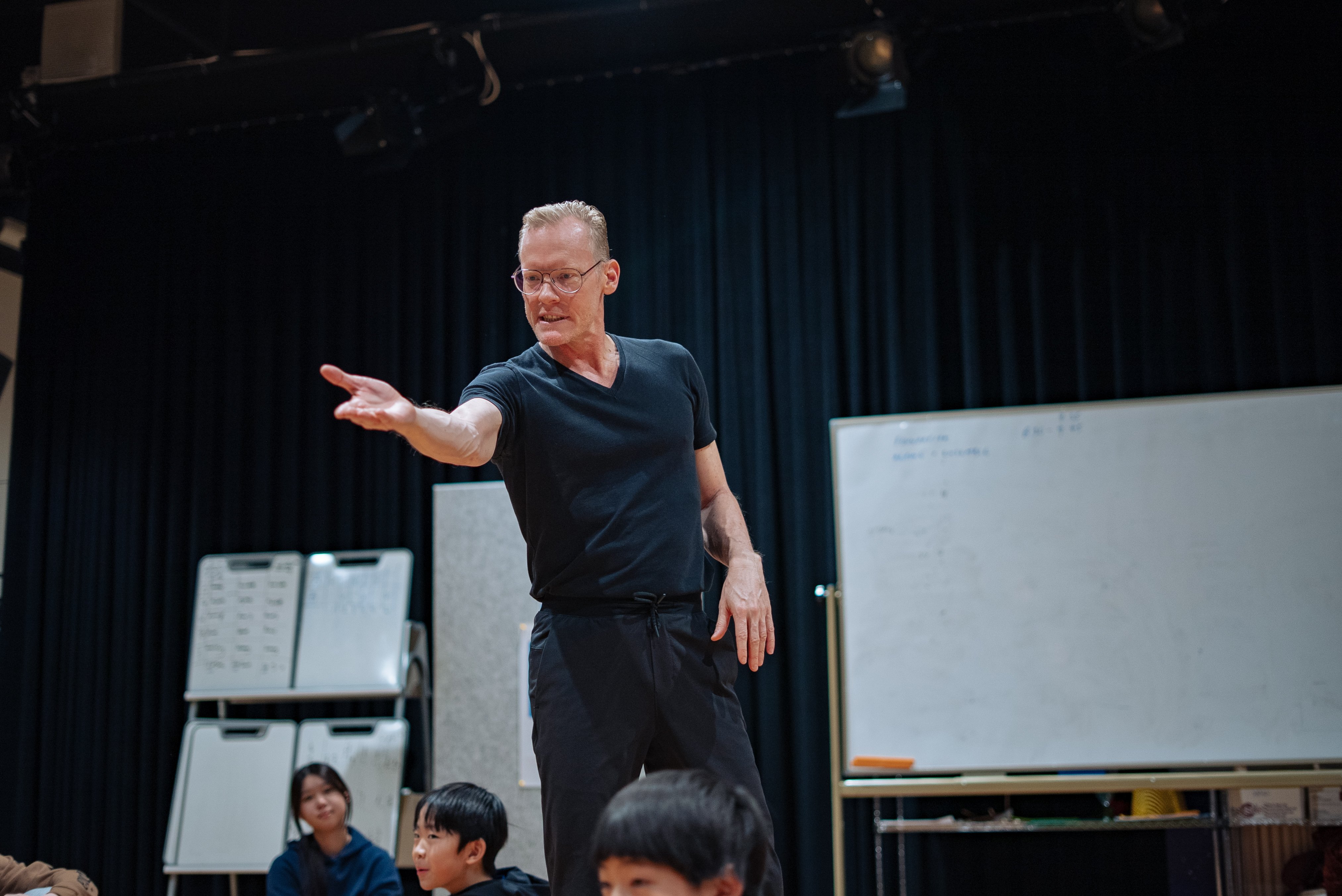
For Middle and High School Theater students at the International School of Beijing (ISB), these possibilities became the focus of a visiting artist residency with Mark Hill, an international physical theater performer, director, and educator, in November.
Working alongside a professional theater practitioner, students explored new ways to communicate, collaborate, and challenge themselves as performers. But beyond developing their acting skills, the experience offered something equally valuable: the opportunity to experiment, take creative risks, and discover their own voices.
Creating Space for Confidence and Creativity
Learning doesn't always begin with knowing the answer. Sometimes, it begins with having the confidence to try something unfamiliar.
Throughout the residency, Mark guided students through physical theater workshops that challenged them to think differently about performance and storytelling.
Rather than relying primarily on dialogue, students explored how movement, rhythm, gesture, and the use of space can communicate emotion, character, and meaning.
For some, this meant exploring how a simple gesture or movement could tell a story. For others, it meant considering how physical choices could bring a character to life or transform a scene.
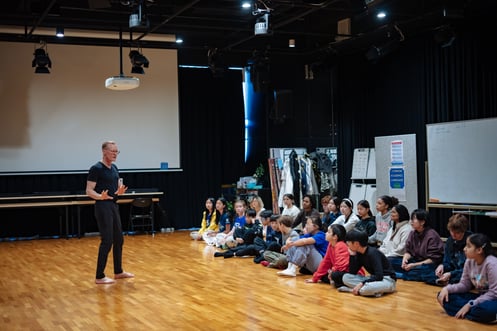
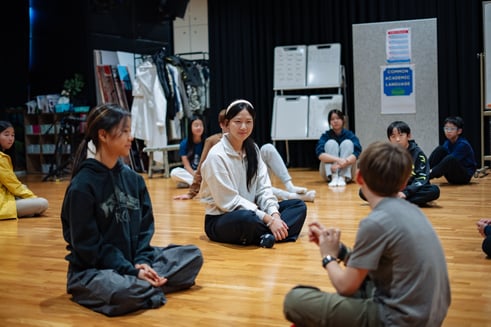
From Grade 6 students developing visual storytelling skills through tableaux and movement, to older students preparing theatrical productions, the workshops connected directly with their classroom learning, offering new approaches to character development, staging, and performance.
These experiences reflect an important part of learning at ISB: creating environments where students feel supported to explore new ideas, express themselves, and grow through challenges.
Learning to Listen, Without Words
One of the most valuable aspects of physical theater is its emphasis on awareness and connection.
An ensemble performance depends on more than individual talent. Students must observe one another, respond to subtle movements, understand how their choices affect the group, and work toward a shared creative goal.
The residency also brought Middle and High School students together in shared workshops, creating opportunities to collaborate across age groups and experience levels.
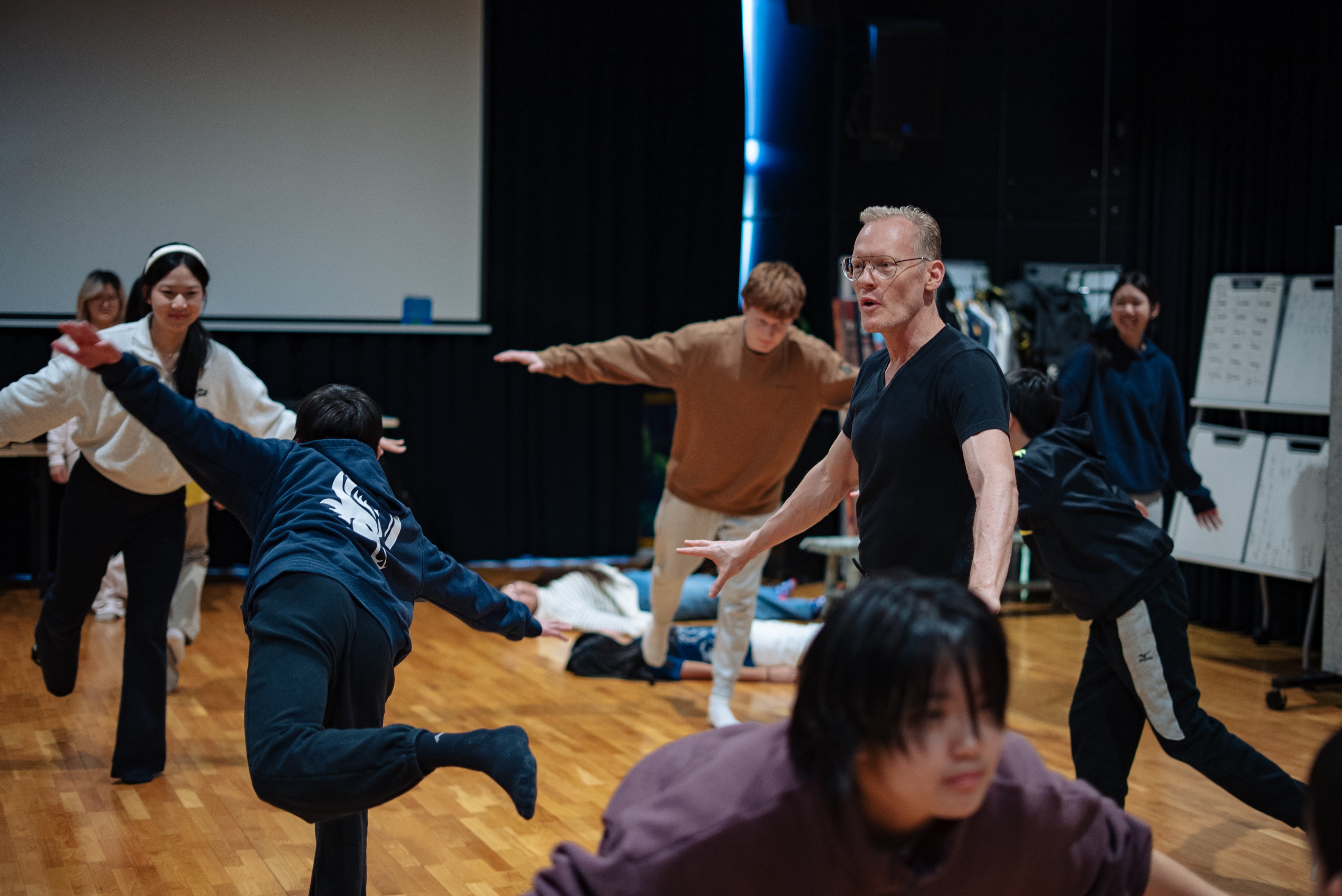
Whether experimenting with movement or responding to another performer's choices, students were encouraged to listen, observe, and contribute to a shared creative process.
It's a powerful reminder that communication is about more than speaking. It's also about listening, noticing, interpreting, and responding.
And when students feel comfortable contributing their ideas, they are better positioned to challenge themselves, collaborate with others, and develop confidence in their own abilities.
Bringing Professional Practice Into the Classroom
Mark's residency also offered students an opportunity to explore approaches drawn from established theater traditions, including Viewpoints, Butoh, and the Suzuki Method of Actor Training.
Having worked with organizations including the International Schools Theater Association (ISTA) and Australia's National Institute of Dramatic Art (NIDA), Mark brought professional experience and perspectives into the classroom.
For students, this meant encountering approaches that might differ from their familiar ways of working and considering how those techniques could influence their own creative decisions.
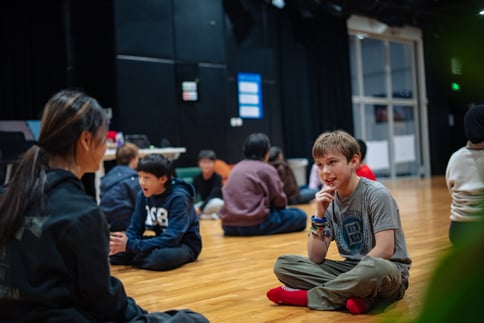
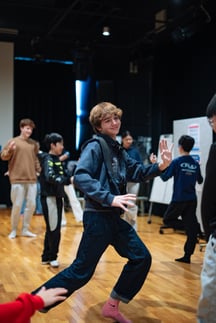
For Year 1 IB Diploma Programme Theater students, the connection to their learning was particularly direct.
Having selected theater theorists to investigate, students were beginning to explore how those ideas could inform their own solo performances.
Through physical theater exercises, movement, and experimentation, they had opportunities to consider how theoretical approaches translate into creative choices onstage, developing their ability to move between research, reflection, and artistic expression.
Where Belonging Makes Exploration Possible
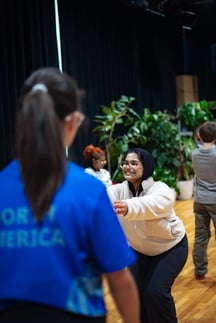
Theater offers a particularly meaningful space for students to discover the relationship between confidence, creativity, and belonging.
Performance asks students to make themselves visible, share ideas that may feel unfamiliar, and sometimes step into roles or perspectives very different from their own.
That requires trust.
When students feel respected and supported, they have greater freedom to experiment, challenge assumptions, and contribute their individual perspectives.
And through that process, they discover new capabilities, not only as performers, but as collaborators, communicators, and learners.
At ISB, opportunities such as Mark Hill's residency are part of a wider learning experience that connects students with new perspectives and encourages them to develop their interests and ambitions.
Because meaningful learning isn't always about getting something right the first time. Sometimes, it's about discovering what's possible when you feel confident enough to try.